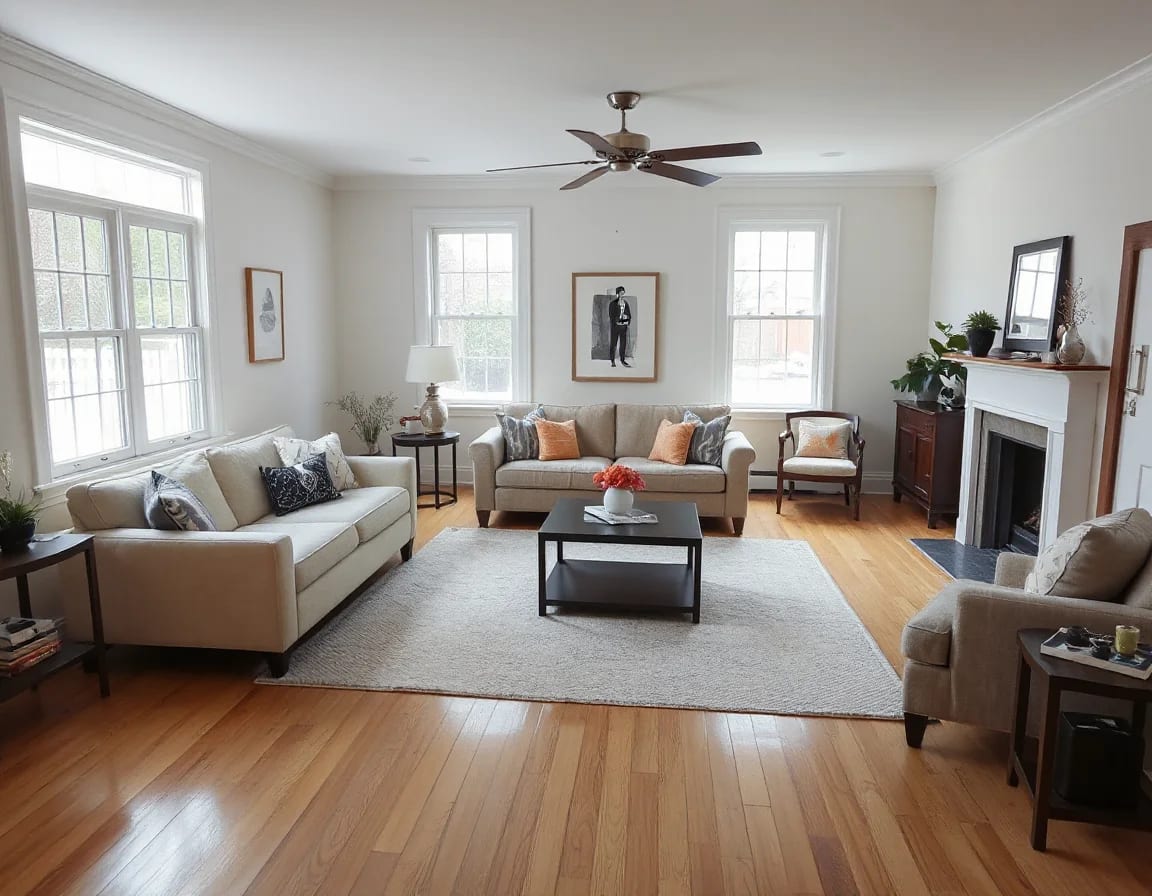
A well-prepared Massachusetts home can make a stronger first impression, photograph more effectively, and help buyers focus on its best features. Whether you are selling in Greater Boston, the North Shore, the South Shore, MetroWest, the Merrimack Valley, Central Massachusetts, Cape Cod and the Islands, or Western Massachusetts, this checklist breaks preparation into practical steps so you can launch with a clear plan.
Begin With a Clear, Room-by-Room Assessment
Preparing a home for sale is not about making every room look brand new. It is about helping prospective buyers understand the condition, layout, and potential of the property from the moment they arrive. Start with a slow walk-through as if you were seeing the home for the first time. Make notes on small details that can fade into everyday life: a loose cabinet pull, scuffed baseboards, a burned-out bulb, a crowded entryway, or a door that sticks.

Prioritize items that affect function. Address visible leaks, damaged screens, dripping faucets, missing outlet covers, loose railings, and fixtures or appliances that are not operating as intended. Buyers throughout Massachusetts often look closely at maintenance because changing seasons can be demanding on roofs, gutters, drainage, heating systems, windows, and exterior finishes. Completing a manageable repair list before launch can reduce distractions during showings and make the home feel consistently cared for.
Then identify cosmetic updates with the strongest visual return. Fresh paint in a neutral, current color can brighten a room quickly. Clean grout, recaulk where needed, replace worn switch plates, and remove window treatments that block natural light. There is no need to over-improve every space; the goal is a clean, cohesive presentation that lets buyers evaluate the home without being pulled toward avoidable tasks.
The first few steps from the curb matter. A clear path, working exterior light, tidy entry, and clean front door establish a reassuring tone before a buyer reaches the living space.
Exterior preparation deserves the same attention as interior work. Trim overgrown shrubs, remove seasonal debris, sweep walkways, clean front steps, and make house numbers easy to spot. If the property has a deck, patio, shed, driveway, or fenced yard, present each as a usable part of the home rather than a storage area. Simple, well-maintained outdoor spaces improve both listing photos and in-person visits.
Declutter for Space, Light, and Easy Viewing
Decluttering is one of the most practical ways to prepare for a sale because it improves photography and in-person showings at the same time. Buyers need to see floor area, storage capacity, window placement, and the flow between rooms. When surfaces are full and closets are packed, even a generously sized property can feel difficult to assess. Begin with counters, tabletops, kitchen cabinets, bathroom vanities, and open shelving.

Pack items you use infrequently, including off-season clothing, duplicate cookware, hobby supplies, excess books, and personal collections. This work also makes the eventual move easier. Storage areas should look accessible, so avoid filling closets, basements, attics, and garages to the point where their size is hard to see. Neatly arranged bins and a simplified layout are more helpful than an overflowing storage system.
Handle personal items thoughtfully. A home should still feel warm and lived in, but buyers need room to imagine how they might use the space. Consider reducing personal photographs, paperwork, medication, valuables, and sensitive documents before photography or showings begin. This supports privacy while allowing rooms to read more clearly online and in person.
Do not overlook scent, sound, and lighting. Open shades and curtains when possible, use consistent warm or neutral bulbs, and make sure rooms are comfortable during scheduled visits. Strong fragrances can be as distracting as lingering cooking odors, so simple cleanliness and good ventilation are generally the better approach. A quiet, well-lit home makes it easier for visitors to notice the features that matter.
Prepare Information Buyers Commonly Review
Strong presentation includes more than cleaning and repairs. Buyers and their representatives may ask about the home’s systems, improvements, utility history, property boundaries, permits, and ownership costs. Gathering available materials early can make the process more organized and reduce last-minute searching after an offer arrives.
Set aside recent utility bills, records for major upgrades, warranties, manuals, contractor invoices, and permits when available. If you replaced a roof, installed a heating system, updated electrical service, renovated a kitchen, or completed other substantial work, create a simple timeline with approximate dates and supporting documents. Accuracy matters more than assembling a perfect binder: provide information you can verify and avoid guessing about work completed before your ownership.
For condominiums and homes with shared governance, collect relevant association documents, fee information, rules, budgets, insurance details, and notices of planned assessments if applicable. These materials can be important as buyers compare monthly costs and understand how the property is managed. A prepared seller can respond efficiently when questions arise.
Keep property records, keys, manuals, and improvement receipts together in one easy-to-find folder. Timely, accurate answers can help a transaction keep moving once buyers begin their due diligence.
It is also useful to plan for daily logistics. Decide where pets, valuables, mail, extra furniture, and everyday necessities will go during showings. Establish a routine for access to the home, including spare keys, garage remotes, alarm instructions, and any areas requiring special entry. A consistent showing plan helps keep the property ready without creating unnecessary stress each time a visit is scheduled.
Use a Massachusetts Market Strategy, Not Guesswork
Preparation and pricing work together. Even a beautifully maintained home needs a market-aware launch plan based on location, condition, size, amenities, and recent comparable sales. Massachusetts is not one uniform market: buyer expectations and competitive inventory can differ across Greater Boston, the North Shore, the South Shore, MetroWest, the Merrimack Valley, Central Massachusetts, Cape Cod and the Islands, and Western Massachusetts. Conditions can also change from one neighborhood to the next.

A thoughtful pricing discussion should consider active competition, recent closed sales, buyer activity, and the property’s particular strengths and limitations. The same preparation choice may have a different return depending on the home and its immediate market. In some cases, focused cleaning, paint refreshes, and targeted repairs are enough. In others, staging guidance, professional photography, or a modest exterior update can help the property show more clearly.
Before photos are taken, complete one final walk-through from the curb to the least-used room. Move trash bins out of view, straighten outdoor furniture, clear counters, close toilet lids, hide cords where practical, and confirm that every light works. Listing photos are often a buyer’s first extended look at the home, and small finishing details can make that introduction feel more polished.
Create a Confident Launch Plan
Selling a home involves many moving parts, but preparation becomes manageable when it is divided into clear stages: repair what needs attention, simplify what is visible, organize the paperwork, and develop a pricing and marketing strategy based on current local conditions. Each completed task supports a smoother transition from everyday living to a property ready to be viewed and evaluated.
Our team can help Massachusetts sellers prioritize the work likely to have the most practical impact before listing. Whether you are planning weeks ahead or working toward a near-term move, a personalized preparation plan can keep attention on the details that matter most for your property, your region, and your goals.