
Choosing where to buy in Massachusetts starts with understanding how the state’s eight broad regions support your budget, commute, housing preferences, and everyday routine. From Greater Boston and the Merrimack Valley to the Cape and Islands, each area offers a distinct mix of homes, transportation, amenities, and long-term ownership considerations. Use this guide to narrow a statewide search into a practical shortlist, then explore individual communities with your agent.
Start With the Rhythm of Daily Life
Massachusetts is compact on a map, but the experience of living in one region versus another can be dramatically different. A buyer comparing a city condominium near transit, a historic home in an established suburb, and a coastal property may find that each option changes the pace of daily errands, work travel, recreation, and home maintenance.
Rather than searching for one universally “best” place to live, begin with the routines that matter most to your household. Think about where you work, how often you travel, which amenities you use, how much maintenance you are comfortable taking on, and what monthly payment feels sustainable. Those answers can make the following eight regions easier to compare.
1. Greater Boston
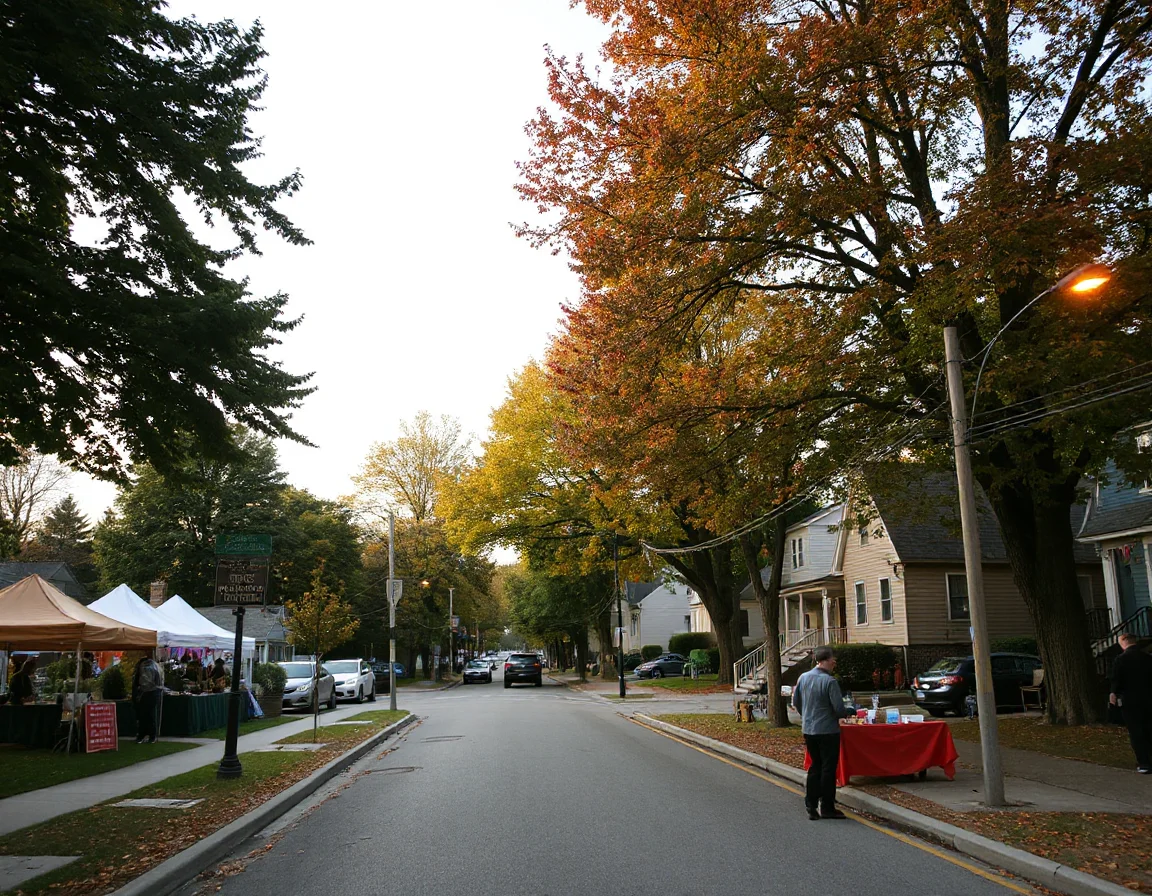
Greater Boston can appeal to buyers who value proximity to major employment centers, universities, health care institutions, cultural destinations, and transit. Housing choices range from condominiums and multifamily homes to single-family properties in nearby cities and towns. The trade-off is often a more competitive price point, smaller lots, or a longer search for the right balance of space and location.
When evaluating this region, look beyond mileage. Test the commute at realistic times, understand parking options, and compare monthly ownership costs carefully. A property with a higher purchase price may offer transit access or convenience that reduces other day-to-day expenses, while a home farther out may provide more space but require different travel expectations.
2. North Shore
The North Shore combines coastal communities, historic downtowns, suburban neighborhoods, and access to Boston. Buyers may be drawn to established streets, local beaches and parks, commuter rail access in select communities, and a wide range of housing eras. Inventory can vary significantly from one town to the next, so it is useful to compare property taxes, flood considerations where applicable, and the condition of older homes alongside list price.
For buyers considering a coastal-influenced location, review insurance needs and property-specific risk information early. The right fit may be a walkable downtown condominium, a traditional colonial on a quieter street, or a home closer to regional routes rather than the shoreline itself.
Regional labels are useful starting points, not substitutes for a property-level review. Your agent can help you compare taxes, association documents, commute patterns, and condition details before you decide that one community is the better value.
3. South Shore
The South Shore offers a mix of traditional town centers, suburban neighborhoods, coastal access, and commuter-oriented communities south of Boston. Buyers often compare homes based on route access, rail availability, lot size, and the trade-off between a closer-in location and additional space farther from the city. Housing stock may include antique properties, mid-century homes, new construction, condominiums, and neighborhoods with a more residential feel.
Spend time in prospective areas on both a weekday and weekend. Seasonal traffic, bridge and highway patterns, beach activity, and parking can all affect how a location feels. If a property is near the water, ask appropriate professionals about flood zones, insurance, drainage, and maintenance planning rather than relying on a broad regional impression.
Compare Homes, Costs, and Access
Once you have identified a few regions that fit your lifestyle, the next step is to compare the housing types and financial commitments that are common in each. Massachusetts buyers may encounter condominiums with association fees, older homes with distinctive character and systems to evaluate, multifamily properties, and detached homes with varying utility and maintenance demands.
4. MetroWest
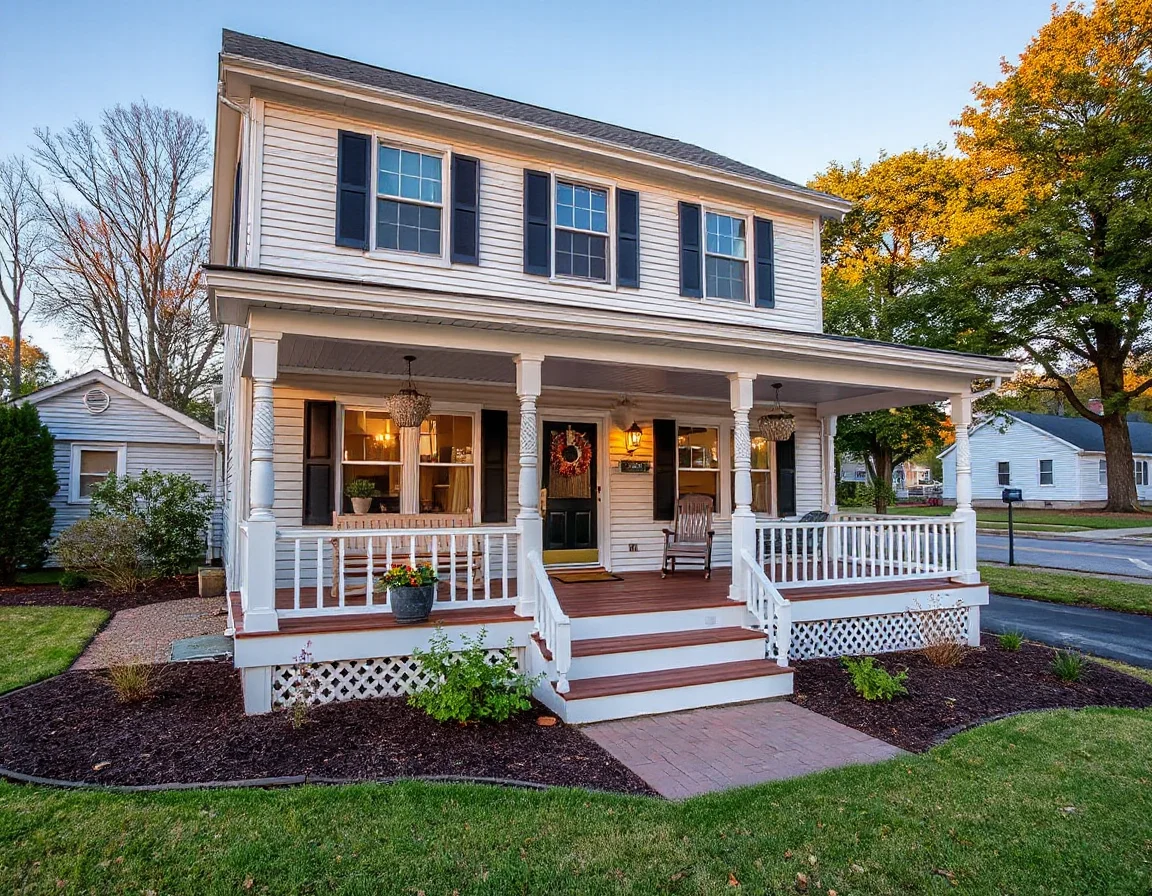
MetroWest is often considered by buyers seeking access to Boston and major employment corridors while maintaining a suburban or small-town setting. The region includes communities with varied housing styles, from condominium developments and townhomes to single-family homes on established lots. Depending on the location, buyers may prioritize highway access, commuter rail options, local centers, recreation, or proximity to employment along Route 128 and Route 495.
Price comparisons should include more than bedroom count and square footage. Ask how a home’s age, heating system, roof, septic or sewer connection, and lot features may affect future expenses. In condominium communities, review the association budget, reserves, rules, insurance coverage, and any planned assessments before you make an offer.
5. Merrimack Valley
The Merrimack Valley provides a broad range of choices, including mill-city condominiums, historic neighborhoods, newer subdivisions, multifamily homes, and communities with convenient access to New Hampshire and regional highways. Buyers may appreciate the variety of price points and property types, but each city and town has its own travel patterns, services, and neighborhood character.
As you tour homes, take a close look at practical details: parking, drainage, heating fuel, electrical updates, windows, insulation, and the condition of major systems. Older New England homes can offer substantial charm, but an inspection and a clear understanding of near-term repairs are essential parts of an informed purchase decision.
6. Central Massachusetts
Central Massachusetts can offer buyers more interior space, larger lots, and a different pace than the areas closer to Boston. Worcester and surrounding communities provide urban amenities, colleges, health care, recreation, and varied housing options, while more rural towns may appeal to buyers who value privacy and open space. The right location depends on how frequently you need to travel east, the services you want nearby, and the property maintenance you are prepared to manage.
For homes outside denser municipal areas, confirm practical items early: internet availability, well or septic systems, road maintenance, heating costs, and distance to everyday services. These details do not make a home better or worse; they help you understand whether it matches the ownership experience you want.
Two homes with similar list prices can create very different monthly obligations. Before comparing offers, estimate taxes, insurance, loan costs, utilities, association fees, and likely maintenance so your budget reflects the full ownership picture.
Think About Lifestyle and Long-Term Plans
A statewide search can reveal choices that may not have been on your original list. The final two regions often attract buyers for lifestyle, scenery, or space, but they also require a thoughtful look at travel, seasonal conditions, local services, and how long you expect to own the home.

7. Cape Cod and the Islands
Cape Cod and the Islands offer a distinct ownership experience shaped by coastal settings, seasonal activity, limited land, and community-specific regulations. Buyers may be drawn to beaches, village centers, outdoor recreation, and a slower pace, whether they are purchasing a primary home, a second home, or a property intended for part-time use.
Because conditions can differ greatly by property, review flood zones, insurance, wastewater systems, rental rules, winter access, maintenance needs, and seasonal service availability. A local, property-specific review is particularly important here. Consider whether the home supports your plans in every season, not only during a memorable summer visit.
8. Western Massachusetts
Western Massachusetts offers everything from vibrant small cities and college-town energy to rural landscapes, mountain communities, and historic village centers. Buyers may find opportunities for more land, distinctive architecture, or a lifestyle centered on outdoor recreation and local culture. At the same time, employment locations, travel distances, winter weather, and access to services can influence which community is the right fit.
Think carefully about your next several years. Consider how often you need to travel, whether the layout will continue to work for your household, and how much flexibility your budget leaves after closing. A lower purchase price can be appealing, but it should be weighed alongside transportation, utilities, repair needs, and the realities of maintaining the property you choose.
Turn a Broad Search Into a Confident Decision
Buying in Massachusetts is not about finding a region that checks every imaginable box. It is about identifying the location and home that best support your budget, daily travel, maintenance comfort level, and future plans. Start with the eight regions, then narrow your focus to the communities and properties that make your own routine more workable.
Bring a consistent set of questions to each showing, take notes after every visit, and review comparable sales and property documents before moving forward. Your agent can help organize the details, compare options across markets, and keep the decision grounded in both the home you want and the ownership costs you can manage with confidence.